
This page contains resources, announcements, guest blogs, essays, videos, and other stuff. Come back often!

As part of a nearly year-long internal film festival funded by a Joy Grant from the WITH Foundation, we were able to screen the following impactful films!
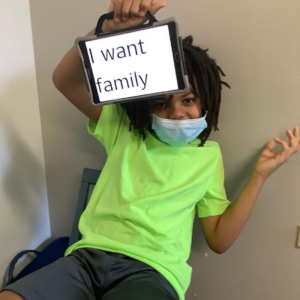
In U.S. v. Florida, DOJ won protections for children with complex medical needs from unnecessary institutionalization. We are alarmed that it is now trying to undo this decision. It may lead to life-altering outcomes for children with disabilities.

The federal government has established a new rule that could make it harder for people who need AAC to keep Medicaid. We need your help to fight this! Please send in your comments by July 31, 2026 at 11:59 pm Eastern Time.
The DOJ released a memo stating it will not enforce the Olmstead decision, which protects the right of people with disabilities to choose where to live. Learn about this attack on our community and how to take action via CommunicationFIRST’s explainer.

“Every message already takes attention, motor planning, and time,” says Hari Srinivasan, Neuroscience Ph.D. candidate and AAC user. “When technology adds corrections and guesswork, it compounds that effort.” He explains how engineered exclusion harms AAC users and how designed dignity enhances inclusion.
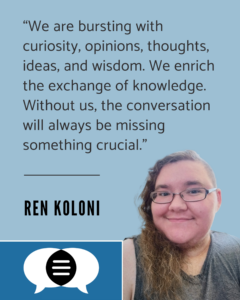
CommunicationFIRST Program Associate Ren Koloni shares their experience in graduate school as a multiply disabled AAC user. Ren discusses access for our community and their research on ableism in medical settings.

In this guest blog, Glenda Watson Hyatt answers our questions about her recent master’s thesis on the employment (and discrimination) of people with speech disabilities, including those who use AAC.

Every student deserves to be safe at school. House and Senate leaders reintroduced the Keeping All Students Safe Act to protect students from seclusion and dangerous restraint in school. Learn how to help and learn about KASSA’s impact on our community.
Proposed Changes to the National Health Institute Survey