The federal government has established a new rule that could make it harder for people who need AAC to keep Medicaid. We need your help to fight this! Please send in your comments by July 31, 2026 at 11:59 pm Eastern Time.
The DOJ released a memo stating it will not enforce the Olmstead decision, which protects the right of people with disabilities to choose where to live. Learn about this attack on our community and how to take action via CommunicationFIRST’s explainer.
“Every message already takes attention, motor planning, and time,” says Hari Srinivasan, Neuroscience Ph.D. candidate and AAC user. “When technology adds corrections and guesswork, it compounds that effort.” He explains how engineered exclusion harms AAC users and how designed dignity enhances inclusion.
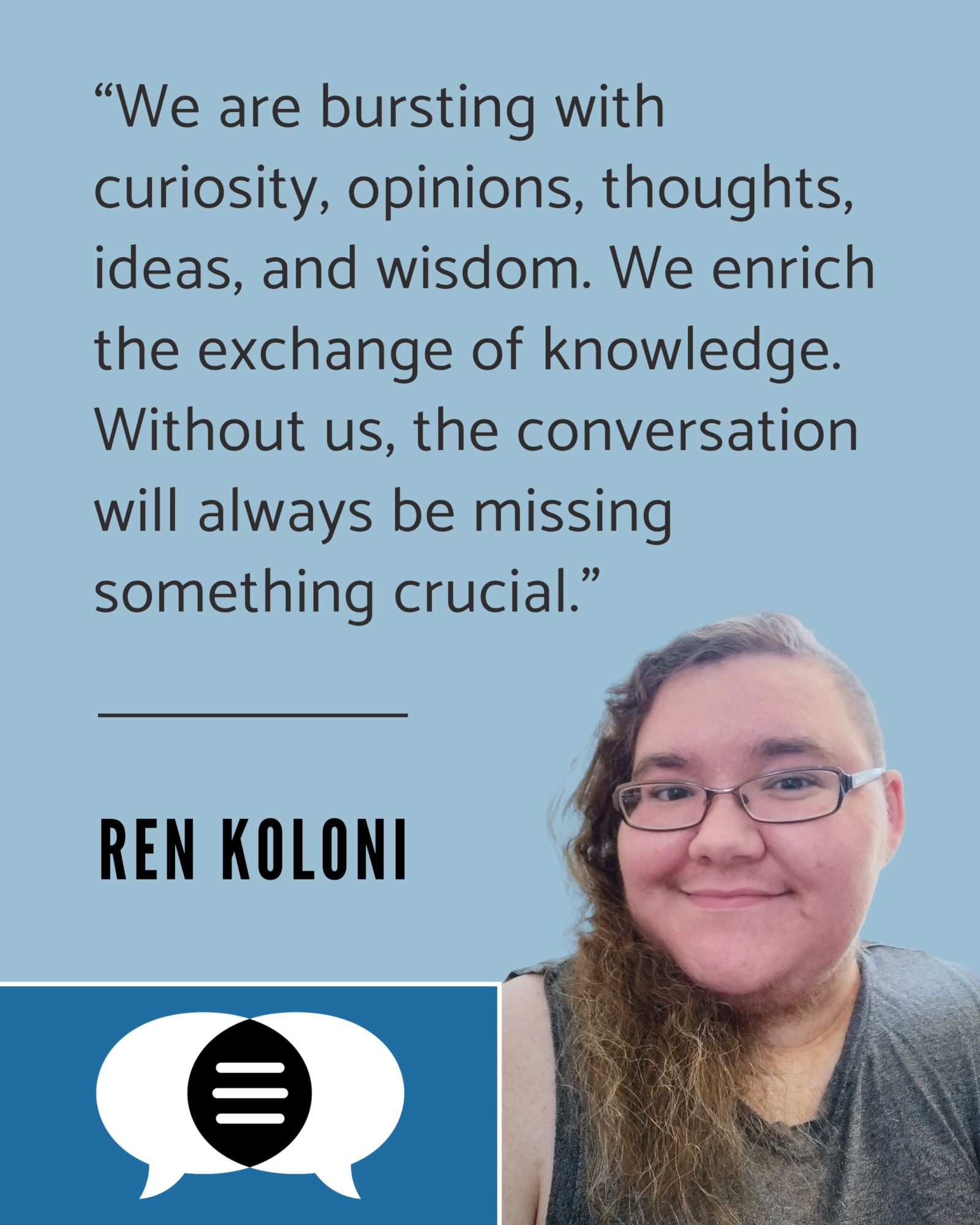
CommunicationFIRST Program Associate Ren Koloni shares their experience in graduate school as a multiply disabled AAC user. Ren discusses access for our community and their research on ableism in medical settings.
In this guest blog, Glenda Watson Hyatt answers our questions about her recent master’s thesis on the employment (and discrimination) of people with speech disabilities, including those who use AAC.
Every student deserves to be safe at school. House and Senate leaders reintroduced the Keeping All Students Safe Act to protect students from seclusion and dangerous restraint in school. Learn how to help and learn about KASSA’s impact on our community.
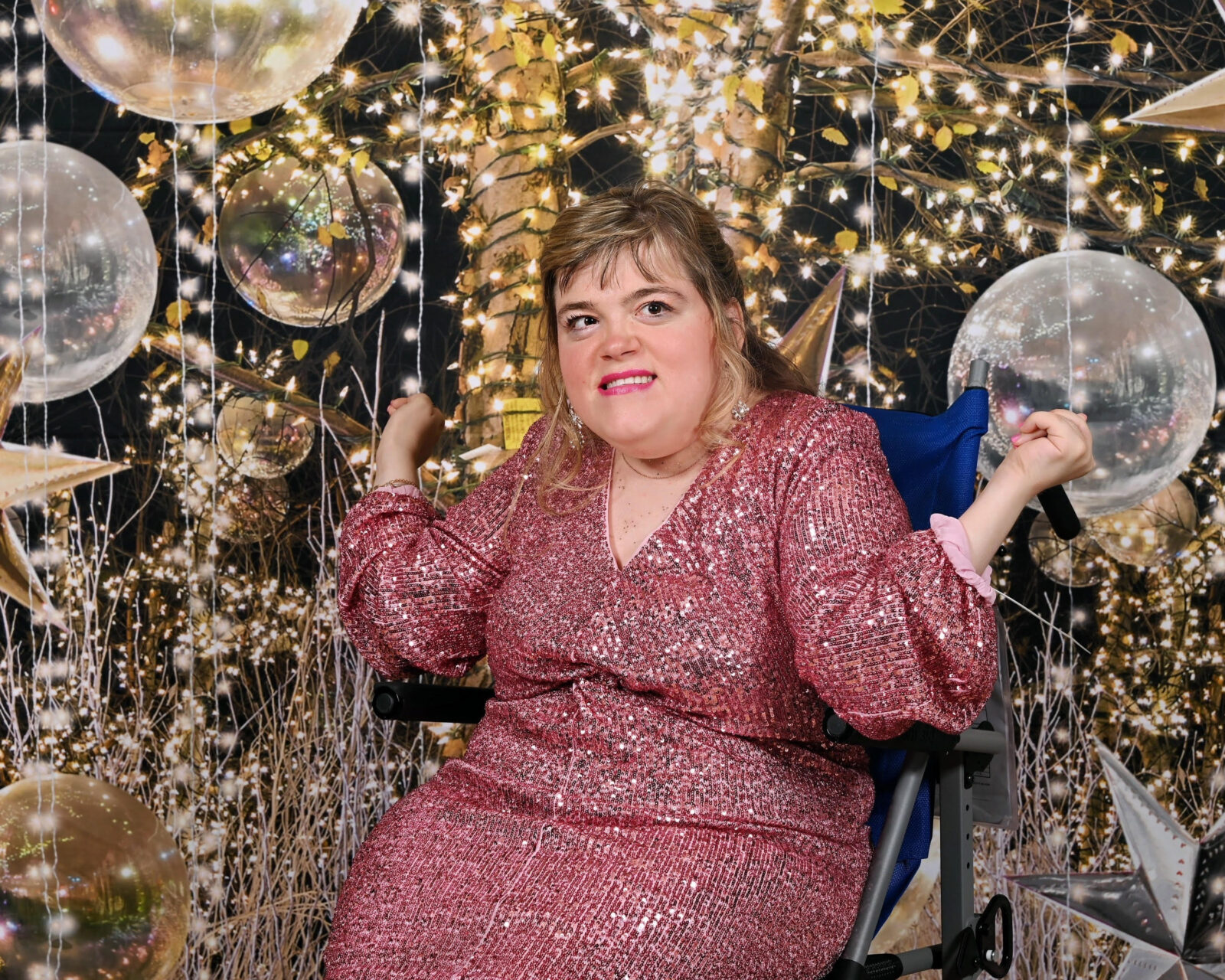
Disability advocate, AAC user, and fashionista, Marisa Conners, says her Medicaid HCBS waiver ensures her “needs and preferences are respected,” and it enables her to advocate and create in ways that align with her communication style. Learn how in her guest blog.
The Policy Advocacy 101 Webinar invited a panel of policy experts who are part of our community to discuss the ways they advocate for change.
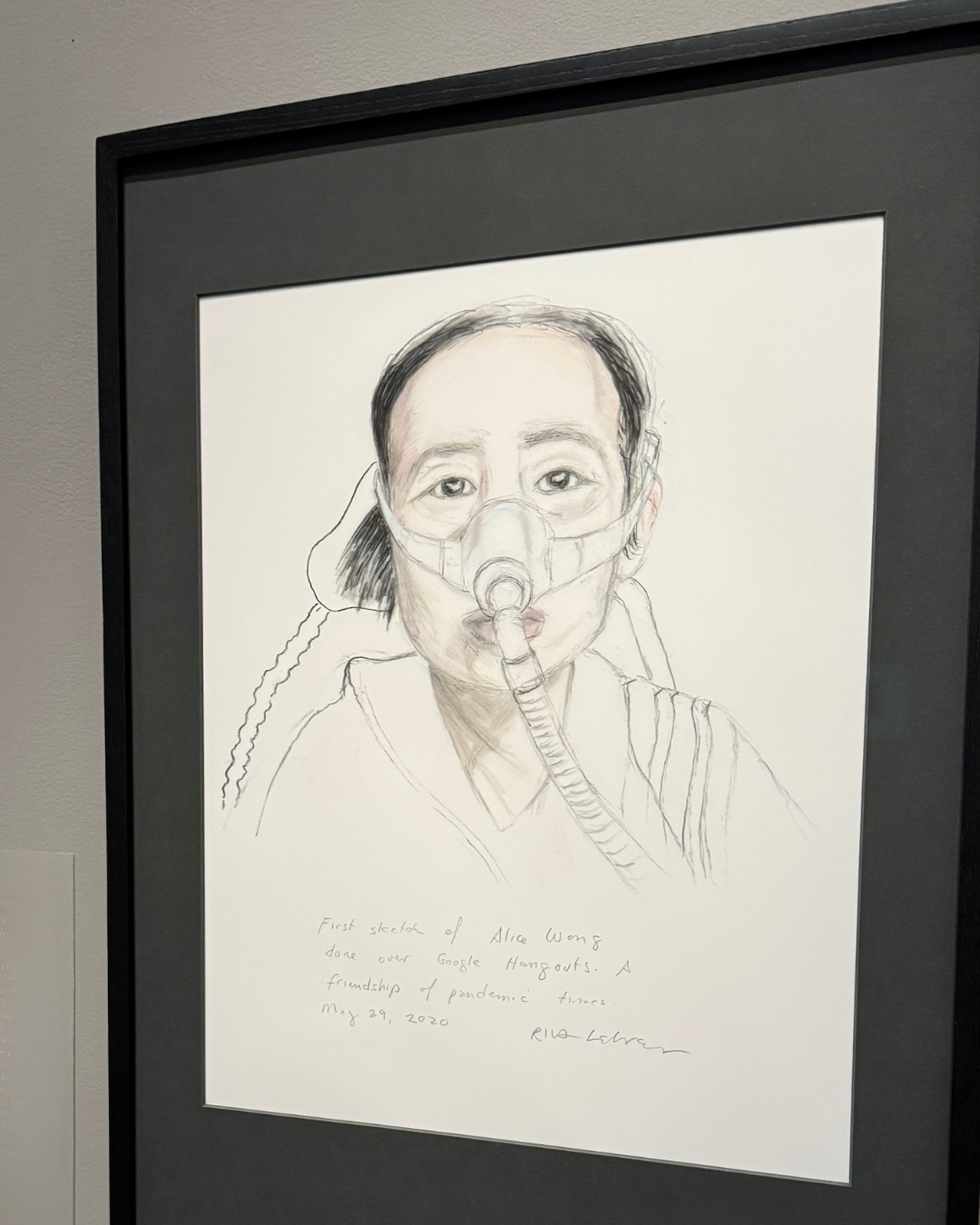
We’re still processing the crushing news about the passing of CommunicationFIRST friend and Advisory Council member Alice Wong. We were made better by her work. Read about some of her AAC and communication-disability-related activism.
With mixed feelings, we share the news that CommunicationFIRST’s co-founder Bob Williams is retiring.
During the last week of July 2025, Caring Across Generations, CommunicationFIRST, and other partners held a 60-Hour Protect Medicaid Vigil. This vigil showed Congress the huge importance of Medicaid to many constituents with disabilities and their allies. During the vigil, CommunicationFIRST’s Co-Founder Bob Williams gave the following personal remarks.
We interviewed our own Dr. Lateef McLeod about his dissertation on peer mentorship between AAC users. He showed the importance of offering mentorship by us, for us, and co-created mentorship spaces accessible to people who use a variety of forms of AAC.
The journal of Augmentative and Alternative Communication published papers from our Future of AAC Research Summit! Nearly all of the 21 papers are authored or co-authored by someone who uses AAC. Access these papers and watch many of the authors present now.
This webinar first aired on October 15, 2024, and begins with a screening of CommunicationFIRST’s latest See Us, Hear Us film featuring Bob Williams. It is followed by a discussion among CommunicationFIRST Policy Director Bob Williams, Forest Haven Institution survivors Ricardo Thornton and Donna Thornton, and advocate and ally Rebecca Salon.
Earlier this week, Virginia adopted its first law expressly addressing augmentative and alternative communication (AAC). Read our summary and statement of the law here.


![[Image: Bob Williams wears a plaid cap and glasses. He sits in a powerchair with a microphone near his speech-generating device. Behind him is the US Capitol building. Image credit: Alison Chandra.]](https://communicationfirst.org/wp-content/uploads/2025/09/Bob-Williams-Protect-Medicaid-Remarks-by-Alison-Chandra-1-1600x2133.jpg)