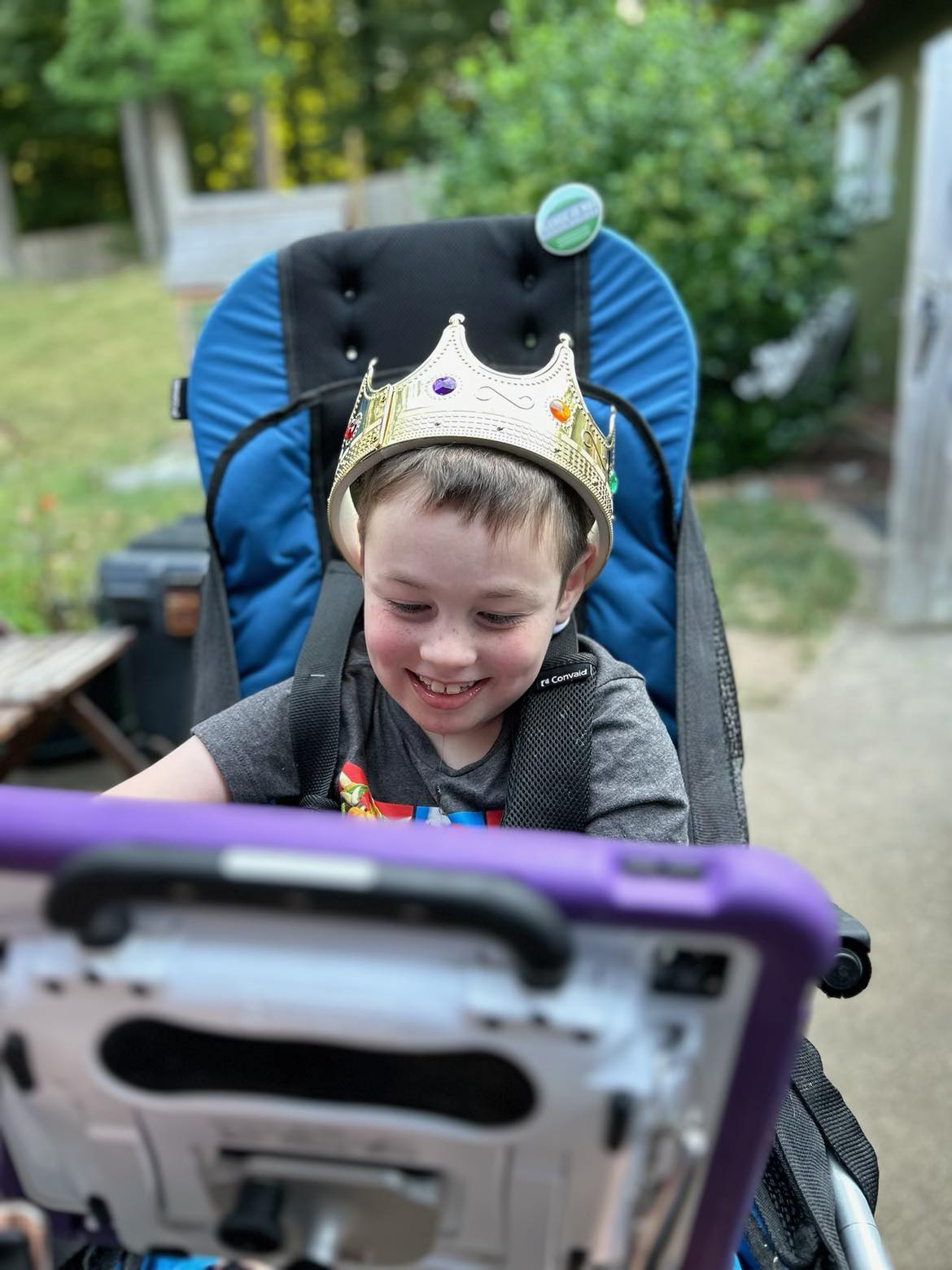
At an Office of Special Education and Rehabilitative Services listening session, the plea of attendees was clear: don’t weaken oversight of equity in special ed. Learn ways to advocate and how OSERS has supported students like our Board Chair Jordyn Zimmerman.
In this guest blog, Glenda Watson Hyatt answers our questions about her recent master’s thesis on the employment (and discrimination) of people with speech disabilities, including those who use AAC.
Every student deserves to be safe at school. House and Senate leaders reintroduced the Keeping All Students Safe Act to protect students from seclusion and dangerous restraint in school. Learn how to help and learn about KASSA’s impact on our community.
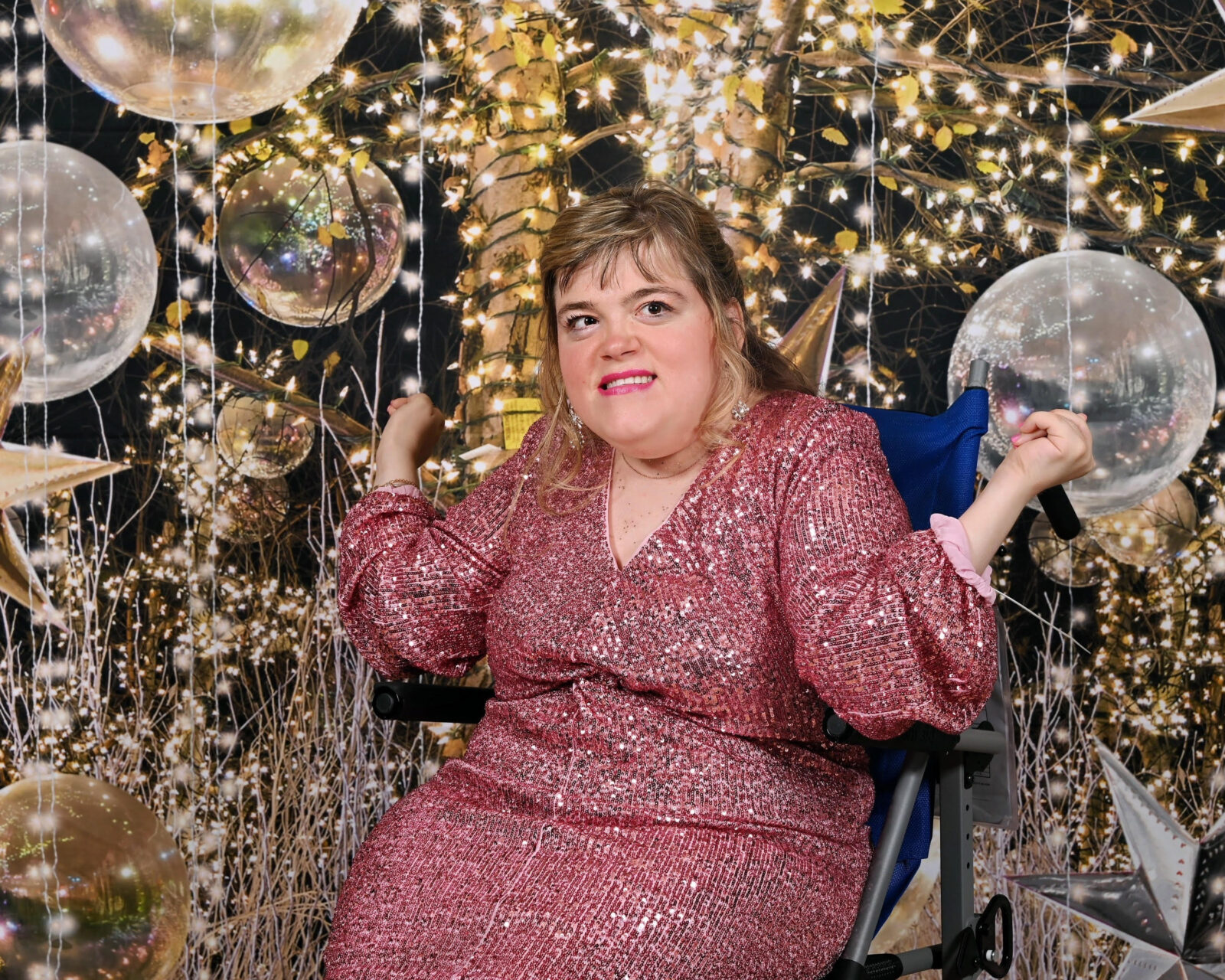
Disability advocate, AAC user, and fashionista, Marisa Conners, says her Medicaid HCBS waiver ensures her “needs and preferences are respected,” and it enables her to advocate and create in ways that align with her communication style. Learn how in her guest blog.
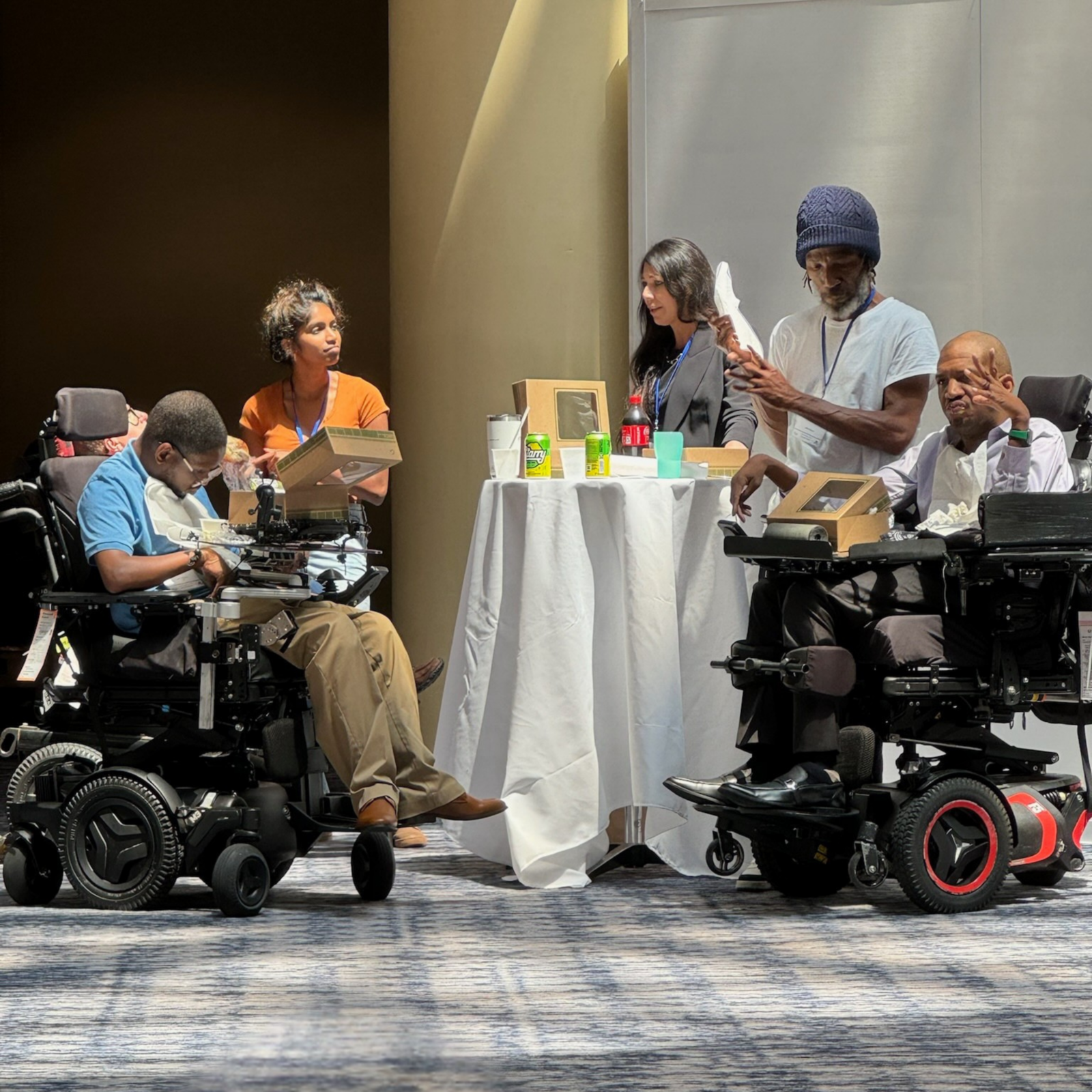
The Policy Advocacy 101 Webinar invited a panel of policy experts who are part of our community to discuss the ways they advocate for change.
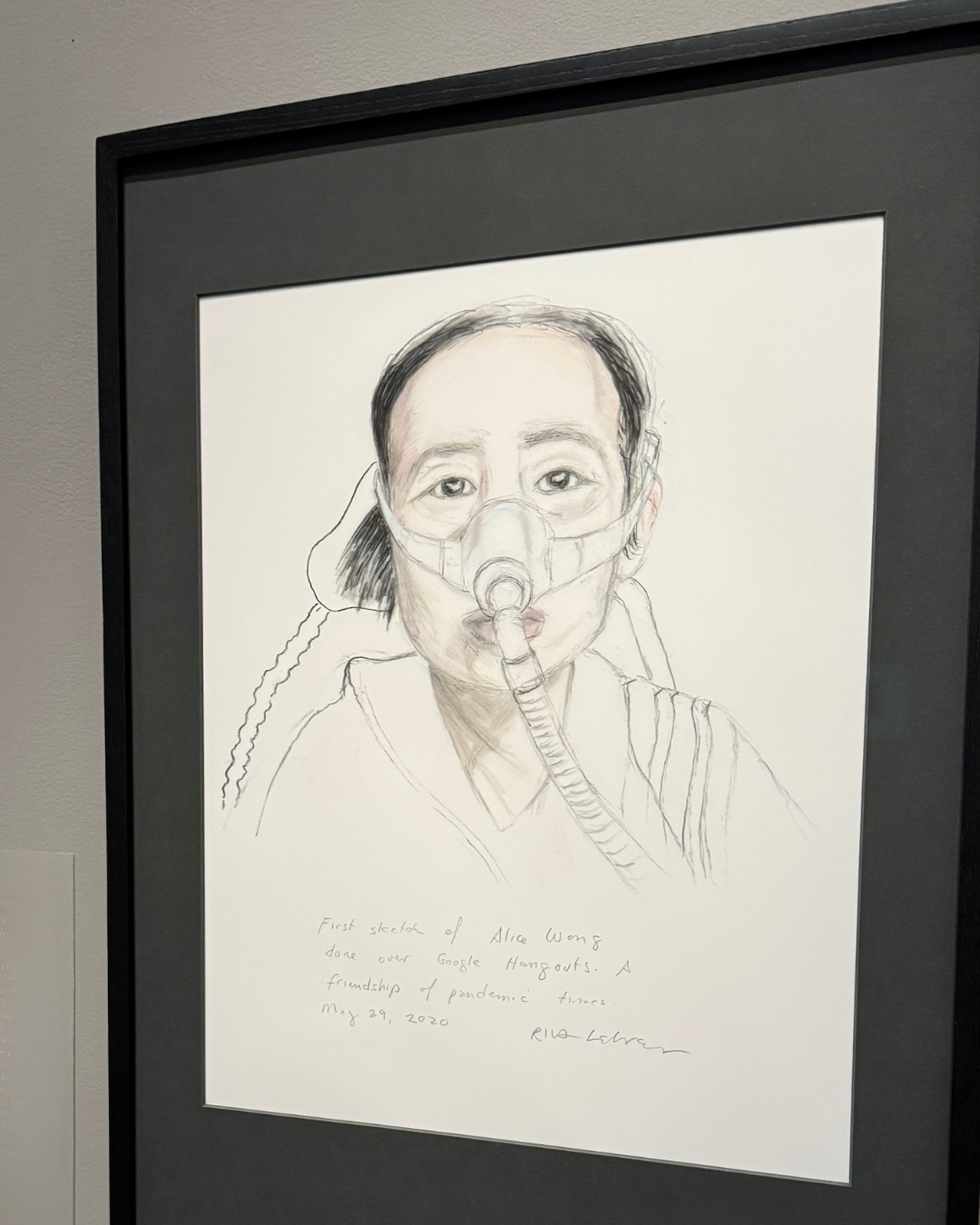
We’re still processing the crushing news about the passing of CommunicationFIRST friend and Advisory Council member Alice Wong. We were made better by her work. Read about some of her AAC and communication-disability-related activism.
With mixed feelings, we share the news that CommunicationFIRST’s co-founder Bob Williams is retiring.
During the last week of July 2025, Caring Across Generations, CommunicationFIRST, and other partners held a 60-Hour Protect Medicaid Vigil. This vigil showed Congress the huge importance of Medicaid to many constituents with disabilities and their allies. During the vigil, CommunicationFIRST’s Co-Founder Bob Williams gave the following personal remarks.
We interviewed our own Dr. Lateef McLeod about his dissertation on peer mentorship between AAC users. He showed the importance of offering mentorship by us, for us, and co-created mentorship spaces accessible to people who use a variety of forms of AAC.
The journal of Augmentative and Alternative Communication published papers from our Future of AAC Research Summit! Nearly all of the 21 papers are authored or co-authored by someone who uses AAC. Access these papers and watch many of the authors present now.
Earlier this week, Virginia adopted its first law expressly addressing augmentative and alternative communication (AAC). Read our summary and statement of the law here.
Read CommunicationFIRST’s statement in response to the planned elimination of the Administration for Community Living.
Medicaid is at risk! Your elected representatives need to hear how losing your Medicaid waiver would change your life. This Policy Advocacy for AAC Users toolkit provides some tips.
Share how Medicaid cuts would hurt you or those around you who need Medicaid to stay in the community. We put together some resources from our amazing partners to make this easy!
Sophie Bohnen navigates the world with a whisper. When Sophie developed Laryngeal Dystonia, she adopted a voice amplification device and found her voice in advocacy. Sophie is creating a platform for people who go unheard to share their stories.


![[Image: Bob Williams wears a plaid cap and glasses. He sits in a powerchair with a microphone near his speech-generating device. Behind him is the US Capitol building. Image credit: Alison Chandra.]](https://communicationfirst.org/wp-content/uploads/2025/09/Bob-Williams-Protect-Medicaid-Remarks-by-Alison-Chandra-1-1600x2133.jpg)